Pool Surround Cleaning: Safer Outdoor Spaces in Bondi
A pool is only as enjoyable as the area around it. In Bondi, where coastal air, salt spray, strong sun and frequent barefoot traffic combine, the pool surround takes a lot of punishment. Pavers, tiles, concrete, decking and coping stones all collect grime, algae, mould and mineral deposits that can make them slippery, unsightly and even hazardous. Regular pool surround cleaning is one of the most practical ways to protect your family, guests and property investment.
Why Pool Surround Cleaning Matters in Bondi
Bondi's coastal environment creates conditions that accelerate surface build-up. Salt-laden air settles on hard surfaces and, combined with moisture, encourages algae and mould growth in shaded or damp areas. Sand carried in from the beach grinds into porous surfaces, while leaf litter from nearby trees stains pavers and clogs drainage channels. Many Bondi properties also have compact backyards, courtyards or rooftop pools where surfaces stay damp longer because of limited airflow and sunlight.
These factors make pool surrounds one of the highest-risk slip areas around a home. Wet, algae-covered surfaces can have very low slip resistance, and a fall near water can lead to serious injury. Keeping the area clean is a core part of general pool safety, alongside compliant fencing, gates and supervision.
Common Problems Found Around Pools
Algae, Moss and Mould
These thrive on damp, shaded surfaces and create a slick, biofilm-like layer. Green, black or brown patches are warning signs that the surface needs attention. Left untreated, growth can penetrate the pores of natural stone and concrete, making it harder to remove later.
Efflorescence and Salt Deposits
White, chalky marks on pavers and concrete are often caused by salts migrating to the surface as moisture evaporates. Pool water splash and coastal air can worsen this. While efflorescence is not usually dangerous, it can dull colours and, in some cases, indicate moisture issues that deserve a closer look.
Rust and Organic Stains
Metal furniture, pool fixtures, fallen leaves, tree sap and fertiliser can leave stubborn stains. Tannin stains from leaves and flowers are particularly common under trees and can become permanent if left for long periods.
Sunscreen, Oils and Grime
Body oils, sunscreen and food spills create a greasy film that traps dirt and reduces traction. This is especially noticeable around lounge areas and entry points to the water.
Blocked Drainage
Sand, leaves and debris can block grates and drains around the pool. Poor drainage leaves water pooling on the surface, which accelerates algae growth and increases slip risk.
Cleaning Methods for Different Surfaces
The right cleaning approach depends on the material. Using the wrong method can damage surfaces, strip sealers or wear away the finish.
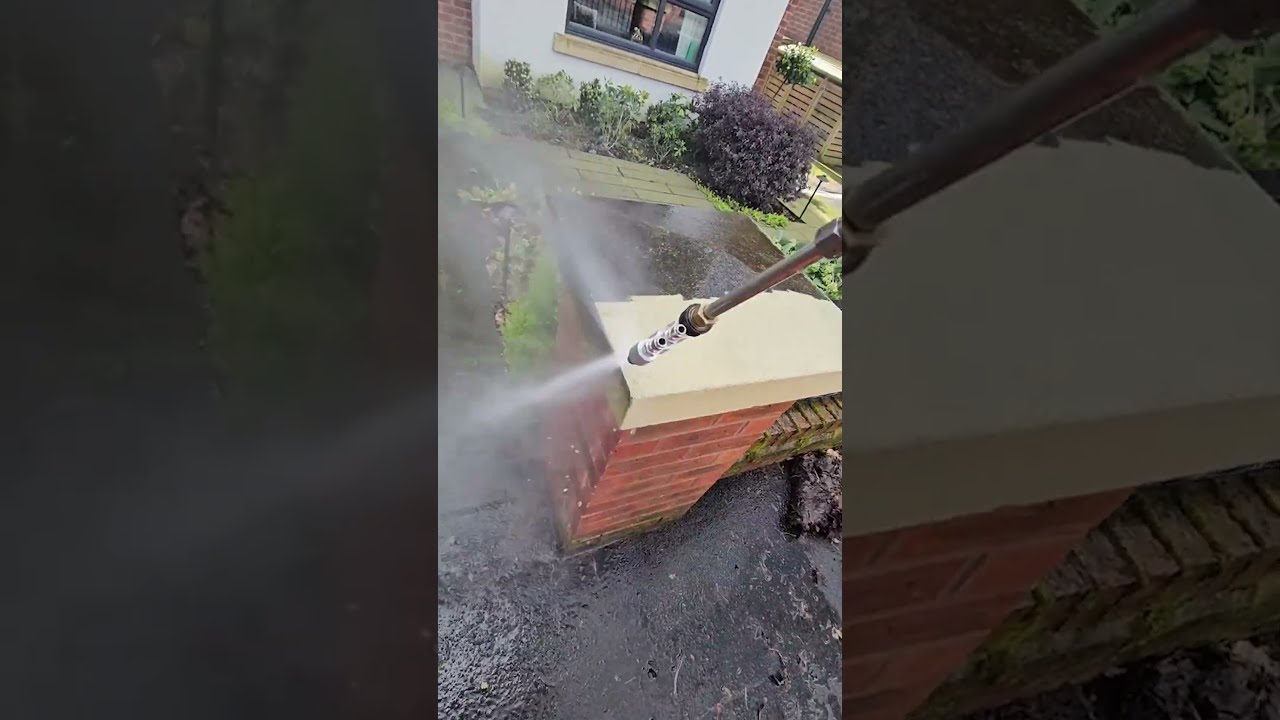
Pressure Washing
High-pressure cleaning is effective on concrete, many pavers and some tiles. However, too much pressure or the wrong nozzle can etch surfaces, erode jointing sand or damage softer stone. Professionals adjust pressure to suit the material and often use surface cleaners for even results without streaking.
Soft Washing
Soft washing uses low pressure combined with appropriate cleaning solutions to break down algae, mould and organic matter. It suits delicate natural stone, timber decking and older or more porous surfaces. It also tends to provide longer-lasting results because it treats the growth at its source rather than just blasting it away.

Natural Stone Care
Limestone, travertine, bluestone and sandstone are popular around Bondi pools but are sensitive to acidic cleaners. These products can etch the stone and leave permanent dull patches. Always use pH-appropriate products and test a small area first.
Timber Decking
Timber near a pool needs gentle cleaning to avoid raising the grain or causing splinters. After cleaning, decking often benefits from re-oiling or sealing to protect it from moisture and UV exposure.
Safety Considerations During Cleaning
Cleaning around a pool involves a few extra precautions, particularly regarding chemicals and water quality.
- Protect pool water: Cleaning runoff can introduce detergents, algae treatments and debris into the pool. Cover skimmer boxes, direct wastewater away from the pool and, where possible, use pool-safe products.
- Protect gardens and waterways: Bondi's proximity to the ocean means stormwater drains lead directly to the coast. Avoid letting chemical-laden wastewater enter stormwater systems and use biodegradable products where appropriate.
- Keep pets and children away: Wet surfaces and cleaning agents are hazardous. Keep the area clear until it is fully rinsed and dry.
- Check fencing and gates: Cleaning is a good time to inspect pool barriers, latches and self-closing hinges. NSW pool safety laws require barriers to remain compliant and in good working order.
- Wear suitable protective gear: Gloves, eye protection and non-slip footwear are important when working with cleaning products and wet surfaces.
How Often Should You Clean Your Pool Surround?
The ideal frequency depends on how the pool is used and its environment. As a general guide for Bondi properties:
- Light sweeping or blowing: Weekly, to remove leaves, sand and debris before they stain or block drains.
- Spot cleaning: As needed, for spills, oils, bird droppings and early signs of algae.
- Full wash: Every 6 to 12 months, or more often for shaded areas, pools under trees and homes close to the beachfront.
- Sealing review: Every 2 to 3 years, or as recommended for your specific surface, to maintain protection and make future cleaning easier.
The Role of Sealing and Slip Resistance
After a thorough clean, applying a quality sealer can reduce staining, limit moisture absorption and slow the return of algae. Sealers designed for pool areas should be breathable and suitable for wet conditions. Some products are available in matte or low-sheen finishes to avoid creating a slippery surface.
For particularly smooth tiles or polished stone, anti-slip treatments can improve traction. These treatments work by lightly modifying the surface texture or adding grip. They should be selected based on the material and applied correctly, as results vary. Slip resistance ratings, such as those described in Australian Standards, can help guide choices when renovating or resurfacing.
DIY Cleaning or Hiring a Professional?
Many homeowners can handle routine maintenance, such as sweeping, hosing and light scrubbing with a stiff brush and mild detergent. For heavier build-up, large areas, delicate stone or multi-level and rooftop pools, professional cleaning is often the better choice.
Professional cleaners bring commercial-grade equipment, knowledge of surface types and experience managing runoff. This reduces the risk of damage, saves time and often delivers a more even, longer-lasting result. When choosing a provider in Bondi, look for:
- Experience with coastal properties and pool environments
- Appropriate public liability insurance
- Clear explanations of methods and products used
- Practices that protect pool water and local stormwater
- Transparent quotes and realistic aftercare advice
Everyday Habits That Keep Pool Surrounds Cleaner
Simple habits make a significant difference between deep cleans. Rinse the surround with fresh water after heavy beach days to remove salt and sand. Trim overhanging branches to reduce leaf litter and increase sunlight, which helps surfaces dry faster. Clean spills promptly, keep furniture off the same spots for long periods to avoid staining and ensure drains remain clear. Placing outdoor mats at entry points also helps limit the amount of dirt and sand carried onto the surface.
Sustainable Cleaning Practices in 2026
Environmental awareness continues to shape how outdoor cleaning is done. In 2026, many Bondi residents expect water-wise methods, biodegradable cleaning products and responsible wastewater handling. Efficient equipment, such as surface cleaners that reduce water use, and techniques that capture or redirect runoff help protect the coastline. As attention on coastal water quality continues into 2027 and beyond, these practices are likely to become even more standard.
Keep Your Bondi Pool Area Safe and Inviting
Pool surround cleaning is more than a cosmetic task. It reduces slip hazards, extends the life of your paving and decking, protects water quality and keeps your outdoor space ready for use. https://cruzhtbm819.lakeviewbrief.com/posts/what-to-expect-before-during-and-after-a-cleaning-visit By understanding the surfaces around your pool, choosing suitable cleaning methods and keeping up with regular maintenance, you can enjoy a safer, cleaner and more welcoming area throughout the year. When the job calls for specialist equipment or expertise, a qualified local cleaner can help you achieve safe, lasting results suited to Bondi's unique coastal conditions.
Bondi Pressure Cleaning
(02) 8550 5711